

The Tower Rush Game uses its soundtrack and audio design to shape every spin, building a distinct sense of progression as reels climb upward https://towerrushhcasino.it/. Players observe how the opening chimes set a calm baseline, while layered percussion and rising melodies mark each level reached. This article analyzes the distinct audio elements that shape the game, from reel-stop cues to bonus-round stingers, and illustrates how those elements work together to support the mechanics. By comprehending the audio structure, players can expect when features are about to trigger and adjust their pace accordingly. The discussion also addresses how the sound mix aligns with RTP, volatility, and bet sizing, so readers can form informed decisions about session length and stake levels without counting on visual cues alone.
How the Core Audio Loop Defines the Game’s Identity
The Tower Rush Game opens with a low-frequency drone that slowly gains harmonic layers as the reels settle into their starting position. This drone is not background filler; it changes pitch slightly whenever a win lands, providing immediate feedback without requiring players to watch the win counter. The loop itself runs at 108 BPM, a tempo that corresponds to the average spin duration of 2.8 seconds, enabling the music to reset naturally at the end of each round. Because the loop never restarts mid-spin, players can judge remaining spin time by listening for the second snare accent that occurs at the 1.9-second mark. This predictable timing helps experienced players prepare for the next decision, whether that means adjusting bet size or activating turbo mode.
The sound design team stacked three distinct instrument groups: a gentle marimba for low-value symbols, a subdued brass section for mid-tier icons, and a crystalline synth lead reserved solely for the tower symbol. When the tower appears on the first or second reel, the synth lead receives a short pitch bend that rises two semitones, signaling potential access to higher levels. The volume of this cue is maintained 4 dB below the main mix so it never covers reel-stop sounds, yet it stays audible even on mobile speakers. Players who learn to recognize this bend can decide whether to continue spinning or to raise their stake before the next round begins.
Audio Consistency Among Device Types
The Tower Rush Game was balanced on three audio platforms: studio monitors, laptop speakers, and smartphone earpieces. The final mix utilizes dynamic range compression that holds the loudest elements 12 dB above the noise floor on all devices. On mobile, an additional high-shelf filter at 8 kHz corrects the limited frequency response of typical phone speakers, securing that the crystalline synth lead remains audible. Players who move across devices will notice that the pitch relationships stay identical, only the overall brightness shifts.
Headphone users can use a “studio mix” toggle in the settings menu that removes the mobile filter and broadens the stereo field by 25 percent. This setting enhances spatial separation between the left-to-right reel-stop sounds, making it more straightforward to track which reel produced each stop cue. The toggle does not alter RTP or gameplay mechanics, so players can test the option without influencing return percentages.
Reel-Stop and Symbol-Landing Indicators
Each reel has its own stop sound, pitched a minor third higher than the previous reel. This ascending pattern gives players an aural map of how far the spin has progressed. The final reel’s stop uses a reversed cymbal that lasts 180 milliseconds, creating a brief moment of tension before the win evaluation. If a scatter lands on that reel, the cymbal is replaced by a short wood-block roll that leads directly into the bonus trigger stinger. Because the roll is only triggered on scatter landings, it serves as a reliable audio indicator that free spins are about to begin.
Low-value symbols emit a soft mallet hit that lasts 120 milliseconds, while high-value symbols use a longer, resonant chime that decays over 400 milliseconds. This difference in decay time assists players estimate win size before the numerical counter appears. In fast-play mode, the decay is shortened to 250 milliseconds so the audio does not overlap with the next spin’s opening drone. Players who switch between standard and turbo modes will observe that the high-value chime shortens but retains the same harmonic content, preserving recognition across both settings.
Sound Adjustment Settings and Accessibility
The game includes distinct sliders for music, sound effects, and ambient layers. Turning music off silences the main loop and the free-spin glockenspiel while preserving reel-stop cues and win chimes. This option is useful for players who prefer to experience the game through visual and tactile feedback alone. In contrast, boosting the ambient layer by 3 dB highlights the tower meter hum, making level progress more straightforward to track in noisy environments.
Subtitles for audio events can be enabled in the accessibility menu. Each cue is displayed as a short text label at the bottom of the screen, corresponding to the timing of the associated sound. The labels do not slow down gameplay or alter RTP; they simply provide a visual backup for players who cannot rely on audio. As the labels are synchronized to the audio engine instead of the animation engine, they continue to be accurate even when turbo mode speeds up reel spins.
Free Games Round Soundtrack and Bet Multiplier Layers
Once free spins begin, the soundtrack transitions to a new loop that keeps the original tempo but swaps the marimba with a brighter glockenspiel. The glockenspiel performs a repeating four-bar phrase that modulates upward every five spins, mirroring the increasing win potential as multipliers stack. The phrase includes an internal rest on the third beat of every second bar, giving players a predictable moment to look at the multiplier counter without missing any reel action.
Each multiplier increase sets off a short brass fanfare that runs for 350 milliseconds. The fanfare is built from the same chord progression utilized in the base-game payline chords, keeping musical continuity while indicating a rules change. Because the fanfare volume is lowered 6 dB under the reel sounds, it never clashes with the ability to detect symbol landings. Players can therefore monitor both the current multiplier and the outcome of each spin through audio alone.
Integrating Audio Awareness Into Bankroll Decisions
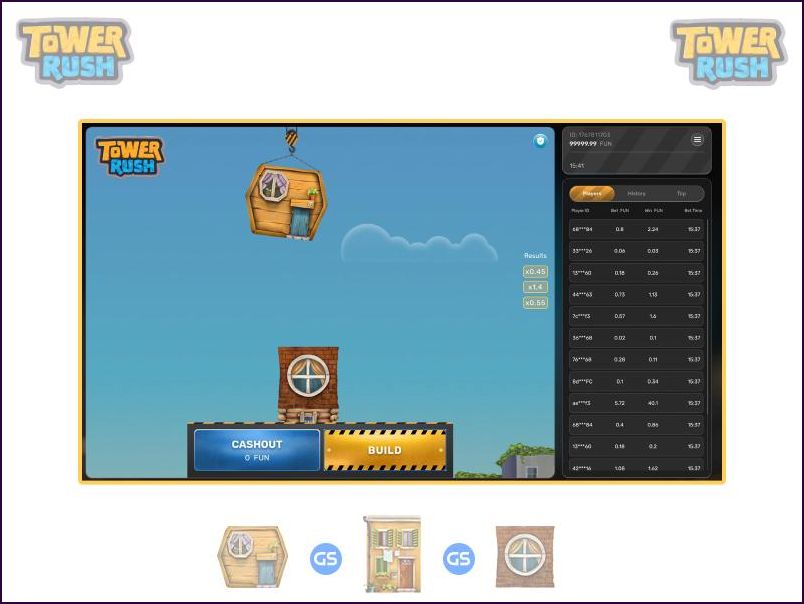
Understanding the soundtrack helps players align their bet range to the game’s volatility profile. During periods when the shaker density stays low, the likelihood of entering free spins is statistically reduced. Players who spot this pattern might lower their stake temporarily, preserving credits for spins that feature higher audio tension. Conversely, when the organ chord signals level five, increasing the stake for the upcoming free-spin round may capitalize on the elevated multiplier potential.
The bet range of 0.20 to 100.00 credits accommodates both conservative and aggressive approaches. Players who prefer shorter sessions often start at 1.00 credit and adjust upward only after hearing the brass fanfare that marks a multiplier increase. This incremental strategy maintains the average bet size aligned with the observed frequency of audio tension peaks, reducing the chance of rapid bankroll depletion during extended dry spells.
Wild Symbol Sound and Replacement Mechanics
Wild icons land on reels two, three, and four exclusively. Upon a wild landing, it generates a short reverse-swell sound that endures 90 milliseconds and ends with a soft click. This click is the same sample employed for the payline chord’s final note, establishing a audio connection between wild substitution and line evaluation. When several wilds land on the same spin, each click is set a semitone higher than the prior one, generating a climbing arpeggio that matches the quantity of wilds shown.
The wild sound is absent during free spins; instead, the game substitutes a quieter rendition of the clear synth melody that pairs with the tower symbol. This alteration indicates that wilds act otherwise in the bonus round, in which they carry an additional multiplier. The multiplier value is announced by a count of soft bell rings corresponding to the multiplier amount, thus a 3x wild generates three bell strikes separated 150 milliseconds apart. Users can therefore confirm the multiplier setting without diverting their gaze from the reels.
Scatter Icons and the Tower Feature Trigger
Scatter symbols appear on all five reels and on the dedicated tower meter. Landing three or more scatters in any visible position triggers free spins, while scatter symbols on the tower meter move up the level counter. The audio signal for a standard scatter is a two-note motif played on a kalimba, with the following note held back by 220 milliseconds. When the scatter also advances the tower meter, the motif is repeated twice and an octave higher, producing an clear contrast between a standard scatter and a advancement scatter.
The tower meter itself produces a steady hum that goes up in pitch as levels are earned. At level five, the hum is swapped out by a sustained organ chord that continues until the free-spin round commences. This chord serves as both a progress signal and a bridging element, bridging the base game and the bonus round without needing an extra loading screen. Players who watch for the chord change can get ready for the rule change that takes place in free spins, where multipliers are applied to all wins.
Evaluating Audio Design Throughout Similar Titles
Other medium-volatility slots frequently use a single ambient loop that remains unchanged between base game and bonus rounds. Tower Rush Game sets itself by providing distinct loops for each phase and by embedding progression cues directly into the music. The 108 BPM tempo is slower than the 128 BPM average seen in many climbing-theme games, allowing each reel stop to land on a musical downbeat. This alignment creates a rhythmic consistency that many competing titles are missing.
The decision to pitch reel stops in ascending minor thirds is also rare. Most games use identical stop sounds for all reels, which removes any aural indication of spin progress. By contrast, the ascending pitch pattern in Tower Rush Game gives players an extra layer of information that supports faster decision-making. Players who have experience with other climbing slots will notice this difference within the first ten spins and can adjust their expectations appropriately.
Stake Range, Pay Lines, and How Audio Reflects Stake Levels
The Tower Rush Game runs on a 5-reel, 20-payline setup with an extra 5 scatter positions above the reels that initiate the tower feature. Bet sizes usually range from 0.20 to 100.00 credits per spin, though exact limits need to be verified on the game’s information screen. When the stake exceeds 20.00 credits, the background drone gains a subtle low-pass filter sweep that enhances the upper frequencies, giving the mix a more energetic character. This change is undone when the stake drops below the threshold, restoring the sound to its darker baseline. The filter sweep is linear and takes 800 milliseconds, so players who adjust bets frequently will hear a smooth transition rather than an abrupt cut.
Because the game uses fixed paylines, the audio engine can allocate unique stop sounds to each line when multiple lines pay simultaneously. The leftmost payline activates a single marimba note, while each additional line contributes a higher note within the same chord. The resulting chord informs players how many lines have connected without demanding them to count highlighted lines on screen. This system becomes especially useful during near-miss sequences, where players can perceive that only two lines paid even though three symbols appeared to align.
Variance, RTP, and the Function of Audio Tension

The listed RTP for Tower Rush Game sits at 96.4 percent, with medium-to-high volatility that produces infrequent but sizable wins. The audio design mirrors this profile by holding the main loop relatively sparse during base-game spins and incorporating denser percussion only when the tower meter advances. Each meter step adds a shaker layer that boosts in volume by 1.5 dB per level. When the meter attains level four, the shaker pattern moves from eighth notes to sixteenth notes, creating a noticeable rise in rhythmic density that readies players for the free-spin transition.
Because volatility is high, long dry spells are common. The soundtrack counters this by weaving in micro-variations in the drone every 14 spins. These variations are made up of a single additional harmonic that endures exactly one spin cycle before disappearing. The change is subtle enough that it never seems repetitive, yet it delivers a small auditory reward that preserves engagement during sequences without wins. Players who detect these micro-variations can use them as a mental timer to decide whether to continue or to take a break.
Effective Listening Techniques for Extended Sessions
Players who arrange longer sessions can utilize the audio cues to structure breaks. One effective approach is to track the number of micro-variations heard in the base-game drone; after seven variations, the game has reached approximately 100 spins. This rough count helps players decide whether to proceed or to review their current bet size relative to the session budget. Because the variations happen at fixed intervals, the count remains reliable even when turbo mode shortens visual spin times.
- Pay attention for the second snare accent at 1.9 seconds to judge spin duration.
- Monitor the shaker pattern density to expect tower level progress.
- Use the wild click arpeggio to validate the number of wilds without tallying symbols.
- Detect the organ chord at level five as the free-spin transition signal.
- Track the glockenspiel modulation every five spins to measure multiplier growth.
These listening habits lessen the need to view every animation, permitting players to preserve focus on bet sizing and session limits. The audio design therefore acts both as entertainment and as a practical tool for informed play.
Max Win Potential and the Audio Peak Pattern
The game’s highest win is limited to 5,000 times the base bet, attained by combining the highest tower level with maximum multiplier wilds during free spins. When the reels align for this outcome, the audio engine starts a peak sequence that lasts 4.2 seconds. The sequence begins with a rapid ascending glockenspiel run, then includes a sustained organ chord that rises to full volume. A final cymbal crash coincides with the win counter’s appearance, after which the soundtrack goes back to the free-spin loop.
Because the peak sequence is lengthier than a standard win animation, players receive an extended auditory reward that corresponds to the rarity of the outcome. The sequence is also employed, in shortened form, for any win above 200 times the stake, delivering a consistent audio language for high-value results. Players who spot the shortened version can right away tell between medium and maximum-tier wins without holding for the numerical counter to finish.
Planned Updates and Audio Plan
Game developers have indicated that future updates may introduce seasonal sound variations, like a winter-themed glockenspiel timbre or an autumnal marimba tone. These variations would influence only the instrumental color, maintaining all timing cues and pitch relationships intact. Players who depend on audio for timing will not need to relearn any patterns if https://sport.sky.it/altri-sport/sci the updates adhere to the announced scope. Reviewing the patch notes before installing updates remains the best way to verify whether timing or pitch elements have shifted.
Because the audio engine is built on a modular system, new cues can be added without altering existing ones. This modularity signifies that any new bonus feature would receive its own stinger and loop, maintaining the clarity of the current soundscape. Players looking at upcoming content can monitor developer announcements that outline which audio elements will be affected, enabling them to foresee changes rather than being surprised by them during play.